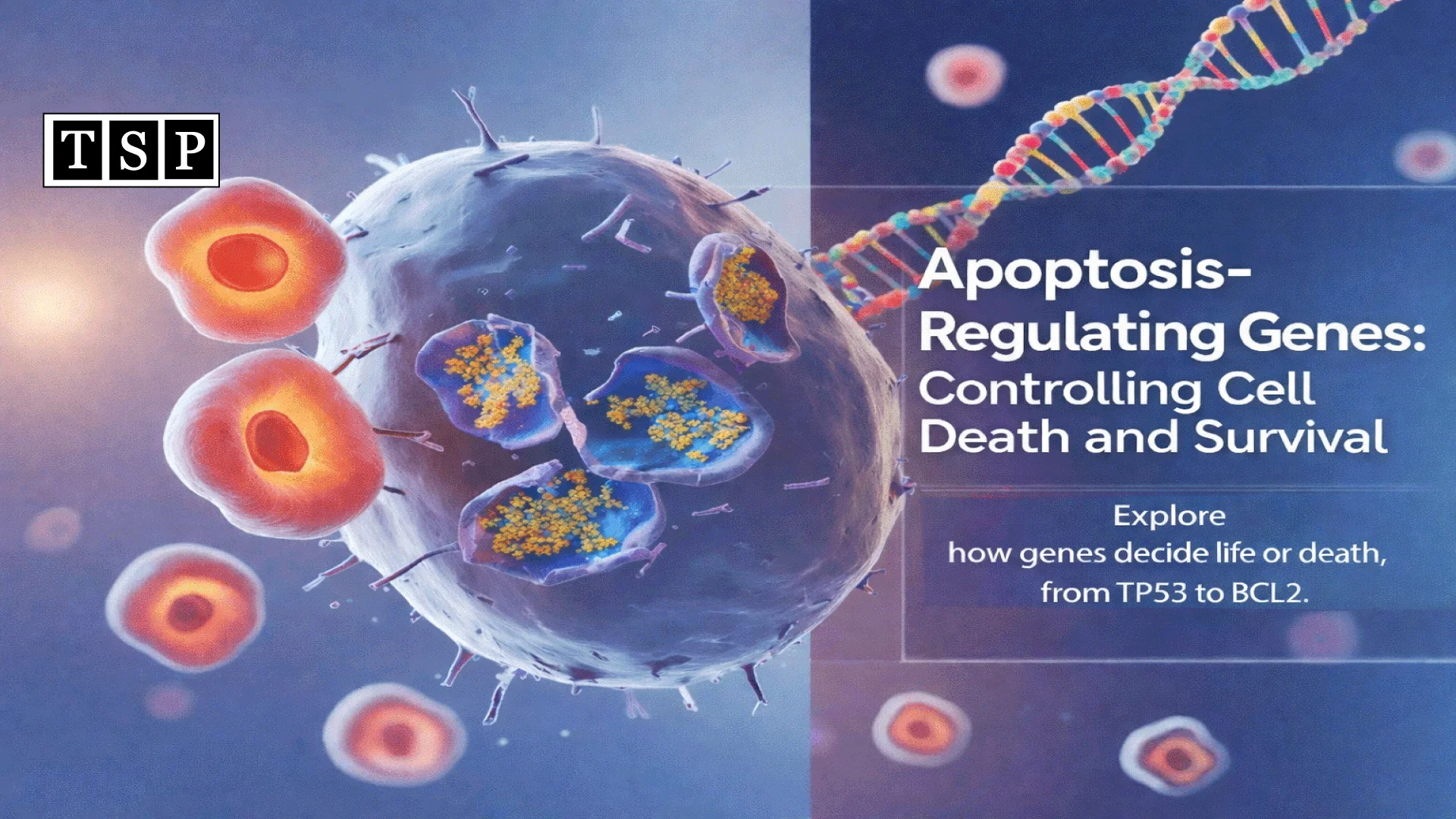
Apoptosis-Regulating Genes: Controlling Cell Death and Survival
Introduction: Why Apoptosis-Regulating Genes Matter
Did you know that every day, billions of our body cells die naturally and are safely removed? Scientifically, this self-cleaning process, called apoptosis or programmed cell death, is not only essential for healthy tissue development but also a powerful defense mechanism against numerous proliferative diseases including cancer. On average, 50 to 70 billion cells die each day due to apoptosis in adults, while in children, the number ranges from 20 to 30 billion cells daily, supporting growth and tissue health. At the heart of this process are apoptosis-regulating genes – the genetic switches that decide whether a cell lives or dies. Therefore, understanding how apoptosis-regulating genes work can unlock insights into many diseases, especially cancer. When these genes malfunction, cells that should die may instead continue to grow, divide, and spread, forming tumors.
In this post, we’ll explore what these genes do, how they prevent cancer, and what happens when they fail. Whether you’re a biology enthusiast, medical student, or just curious about your body’s defense systems, this post will illuminate how tiny genes make life-or-death decisions (Further details in Table 1).
Apoptosis-Regulating Genes: Must-Know Facts at a Glance
The table below highlights essential facts and insights about apoptosis-regulating genes, offering a quick overview of their roles, pathways, mutations, and research significance.
| Table 1: Apoptosis-Regulating Genes: Fast Facts & Key Insights | |
| Aspect | Key Insight |
| Total Genes Involved | Over 100 genes identified in humans; many more discovered in model organisms via CRISPR screens. |
| First Described Apoptosis Gene | CED-3 in Caenorhabditis elegans, foundational for identifying human caspases. |
| Cell Death per Day (Adults) | 50–70 billion cells die daily via apoptosis – crucial for tissue renewal and immune defense. |
| Main Apoptosis Pathways | Intrinsic (mitochondrial, stress-driven) and Extrinsic (receptor-mediated) |
| Most Frequently Mutated Gene in Cancer | TP53 – mutated in over 50% of human cancers. |
| Therapeutic Drugs Targeting Apoptosis | Venetoclax (targets BCL2), Navitoclax, TRAIL agonists, MDM2 inhibitors (TP53 regulators) |
| Diseases Linked to Dysregulation | Cancer, Autoimmune diseases, Neurodegenerative disorders, Viral infections |
| Research Tools Used | CRISPR/Cas9, RNAi, Knockout mice, Organoids, Single-cell sequencing |
| Emerging Areas of Study | Apoptosis & Immunotherapy, Non-apoptotic roles of caspases, Crosstalk with necroptosis and autophagy |
| Relevant Databases | KEGG, GeneCards, NCBI Gene, Reactome, UniProt |
What Are Apoptosis-Regulating Genes?
Basically, apoptosis-regulating genes are responsible for initiating and managing programmed cell death. This natural process is essential for maintaining cellular balance, eliminating old or damaged cells, and sculpting tissues during development. In addition, these genes control a cascade of biochemical events that dismantle and safely dispose of a cell, preventing it from harming surrounding tissues. Consequently, ensure that only healthy, functional cells can survive.
Total Apoptosis-Regulating Genes Reported So Far
Understanding the complete landscape of apoptosis-regulating genes is essential for grasping the full picture of how cell death is governed. Over 100 human genes are annotated as apoptosis regulators in curated databases like KEGG, with additional candidates identified in model organisms through CRISPR screens. These genes are classified into different types.
Types of Apoptosis-regulating genes
Apoptosis is orchestrated by a complex network of genes, each falling into distinct categories based on their function in regulating cell death. Table 2 highlights five primary types of apoptosis-regulating genes. Pro-apoptotic genes (e.g., BAX, CASP9) actively initiate cell death through intrinsic or caspase-mediated pathways. In contrast, anti-apoptotic genes (like BCL2 and MCL1) act as survival factors, blocking apoptosis and often contributing to tumor resistance. Death receptor genes respond to external death signals, activating the extrinsic pathway. Caspase genes serve as executioners, breaking down cellular components during apoptosis. Finally, regulatory genes such as TP53 and APAF1 modulate the balance between survival and death by controlling the expression and activity of other apoptosis-related proteins (Table 2).
| Table 2: Types of Apoptosis-Regulating Genes | ||
| Gene Category | Examples | Function |
| Pro-apoptotic genes | BAX, BAK, BID, CASP3, CASP9 | Promote cell death via mitochondrial or caspase pathways |
| Anti-apoptotic genes | BCL2, BCL-XL, MCL1 | Prevent cell death, often overexpressed in cancers |
| Death receptor genes | FAS (CD95), TNFRSF10A (DR4), TRAIL | Trigger apoptosis via extrinsic signals |
| Caspase genes | CASP8, CASP9, CASP3, CASP10 | Execute programmed cell death via proteolytic cascades |
| Regulatory genes | TP53, APAF1, XIAP | Regulate transcription or inhibition of apoptosis signals |
Among these genes, BCL2, CASP8, and TP53 are the most extensively studied in cancer biology. Advanced genomic studies and CRISPR screening continue to identify novel regulators, suggesting that the actual number of apoptosis-related genes could be higher than current estimates.
In addition to these known genes, databases like KEGG, GeneCards, and NCBI Gene list numerous signaling intermediates, transcription factors, and modifiers involved in apoptosis, which may play context-dependent roles based on tissue type, stress signals, or disease state.
Understanding this growing list is crucial for designing targeted therapies, especially in proliferative diseases (such as cancer), neurodegeneration, and immune disorders.
Benefits of Using Apoptosis-Regulating Genes as Research and Therapeutic Targets
Harnessing the power of apoptosis-regulating genes has transformed both research and medicine. Here are key benefits:
- Cancer Therapy: Targeting these genes can help re-activate apoptosis in cancer cells, especially those that have become resistant to treatment.
- Autoimmune Diseases: Modulating apoptosis helps eliminate self-reactive immune cells that attack the body.
- Neurodegenerative Disorders: Controlling excessive apoptosis may protect neurons in diseases like Parkinson’s and Alzheimer’s.
- Tissue Regeneration: Understanding how apoptosis is controlled can guide tissue repair and stem cell therapies.
These genes are like master switches for survival or self-destruction – turning them off or on can change the course of disease.
How to Understand the Role of Apoptosis-Regulating Genes: Step-by-Step
- Learn the Pathways: There are two main apoptosis pathways:
- Intrinsic (mitochondrial): Regulated by BCL2 family proteins; responds to internal stress or DNA damage.
- Extrinsic (death receptor): Triggered by external signals like FAS ligand binding to the FAS receptor.
- Study Key Genes and Their Functions
- TP53: Known as the “guardian of the genome”; activates apoptosis when DNA is damaged.
- BCL2: Prevents mitochondrial membrane rupture, blocking apoptosis.
- CASP8: Activates caspases to dismantle the cell from within.
- FAS: Initiates cell death upon external signaling.
- Explore Experimental Models
- Researchers use different in vitro models (i.e., cell cultures), in vivo models (i.e., knockout mice), and, DNA editing tools (like CRISPR technology) to study the impact of these genes.
- Analyze Clinical Implications
- TP53 is mutated in >50% of cancers overall, though prevalence varies from >80% in high-grade serous ovarian tumors to <10% in some leukemias.
- Overexpression of BCL2 is common in leukemia.
Understanding these steps helps decode how apoptosis-regulating genes protect or harm us.
Mistakes to Avoid with Apoptosis-Regulating Gene Research
- Oversimplifying Apoptosis
- It’s more than just cell death. Apoptosis is a tightly regulated and context-dependent process. Avoid treating it as a one-size-fits-all phenomenon.
- Ignoring Gene Interactions
- Genes like BCL2 and TP53 don’t act alone. They interact in networks. Focusing on single genes without the context of their pathway may lead to misleading conclusions.
- Assuming All Cell Death is Apoptosis
- Other forms of programmed cell death exist, like necroptosis or pyroptosis. Differentiating them is key in experimental design.
- Overlooking External Triggers
- Environmental stress, viral infections, or therapeutic drugs can influence apoptosis. These must be factored into research analysis.
Real-World Examples of Apoptosis-Regulating Gene Malfunction
- Case 1: Leukemia and BCL2 Overexpression: In chronic lymphocytic leukemia, overactive BCL2 keeps cancerous cells alive. Drugs like venetoclax now target this gene, forcing leukemia cells into apoptosis.
- Case 2: TP53 Mutations in Colorectal Cancer: Mutated TP53 fails to halt the cell cycle or induce apoptosis in cells with DNA damage. This allows abnormal cells to survive and form tumors.
- Case 3: FAS Gene Defect in Autoimmunity: Mutations in the FAS gene prevent the destruction of autoreactive immune cells, leading to autoimmune disorders like ALPS (Autoimmune Lymphoproliferative Syndrome).
| Table 3: Key Apoptosis-Regulating Genes and Their Roles | |||
| Gene | Function | Role in Disease | Cancer Associations |
| TP53 | Activates cell cycle arrest & apoptosis | Loss of function promotes tumor growth | Colorectal, breast, lung cancer |
| BCL2 | Inhibits mitochondrial apoptosis | Overexpression blocks cell death | Leukemia, lymphoma |
| FAS | Death receptor in extrinsic pathway | Defects cause immune disorders | Some lymphomas |
| CASP8 | Initiates caspase cascade | Inactivation prevents apoptosis | Neuroblastoma, lymphoma |
Conclusion: Why You Should Care About Apoptosis-Regulating Genes
As we know that apoptosis-regulating genes are essential for cellular health, tissue homeostasis, and protection against many proliferative diseases including cancer. Gene products of apoptosis regulating genes assist the cellular mechanisms to decide whether a damaged cell can be repaired or to be eliminated. However, when these genes themselves malfunction, the body loses its ability to control abnormal growth, consequently opening the door to cancer and other diseases.
By understanding and targeting these genes, scientists are developing smarter therapies – from reactivating death signals in cancer cells as well as to preventing unwanted cell loss in degenerative diseases.
FAQs About Apoptosis-Regulating Genes
What are apoptosis-regulating genes, and why are they important?
Apoptosis-regulating genes are crucial for controlling programmed cell death. They help eliminate damaged, infected, or unwanted cells. This process maintains tissue health, prevents cancer, and supports immune balance. Without proper regulation, cells may grow uncontrollably or die unnecessarily.
How do pro-apoptotic and anti-apoptotic genes differ?
Pro-apoptotic genes like BAX, BAK, and TP53 promote cell death when a cell is damaged. Anti-apoptotic genes, such as BCL2 and MCL1, block this process to ensure cell survival. However, their overactivity can lead to cancer by allowing harmful cells to survive longer.
How many apoptosis-regulating genes have been discovered?
Over 100 apoptosis-regulating genes have been reported across various species. These include caspases, death receptor genes, mitochondrial regulators, and transcription factors. Ongoing studies suggest that more apoptosis-related genes remain undiscovered, especially in cancer and neurobiology.
Why is TP53 called the “guardian of the genome”?
TP53 plays a central role in monitoring DNA integrity. When it detects severe DNA damage, it either repairs the cell or triggers apoptosis. Because it prevents genetic mutations from spreading, TP53 protects the body from cancer, earning its nickname.
Can targeting apoptosis genes lead to better treatments?
Absolutely. Many therapies aim to reactivate apoptosis in cancer cells. For instance, venetoclax, a BCL2 inhibitor, forces cancer cells to die. Apoptosis-modulating drugs also offer hope in treating autoimmune diseases and neurodegenerative conditions.
Key References/Further Reading
- Foundational Reviews on Apoptosis Mechanisms
- Elmore S. (2007). Apoptosis: a review of programmed cell death. Toxicologic pathology, 35(4), 495–516. https://doi.org/10.1080/01926230701320337
- Czabotar, P., Lessene, G., Strasser, A. et al. Control of apoptosis by the BCL-2 protein family: implications for physiology and therapy. Nat Rev Mol Cell Biol 15, 49–63 (2014). https://doi.org/10.1038/nrm3722
- TP53 and Cancer Genomics
- Olivier, M., Hollstein, M., & Hainaut, P. (2010). TP53 mutations in human cancers: origins, consequences, and clinical use. Cold Spring Harbor perspectives in biology, 2(1), a001008.https://doi.org/10.1101/cshperspect.a001008
- The Cancer Genome Atlas Research Network. Integrated genomic analyses of ovarian carcinoma.Nature 474, 609–615 (2011). https://doi.org/10.1038/nature10166
- Therapeutic Targeting & Pathways
- Ashkenazi, A., & Dixit, V. M. (1998). Death receptors: signaling and modulation. Science (New York, N.Y.), 281(5381), 1305–1308. https://doi.org/10.1126/science.281.5381.1305
- Gene Databases & Large-Scale Studies
- Kanehisa, M., Furumichi, M., Sato, Y., Kawashima, M., & Ishiguro-Watanabe, M. (2023). KEGG for taxonomy-based analysis of pathways and genomes. Nucleic acids research, 51(D1), D587–D592. https://doi.org/10.1093/nar/gkac963
- Tim Wang et al. Identification and characterization of essential genes in the human genome.Science350,1096-1101(2015).DOI:10.1126/science.aac7041