Discovery of Carbohydrates Quiz: The Sweet Secrets of Biochem
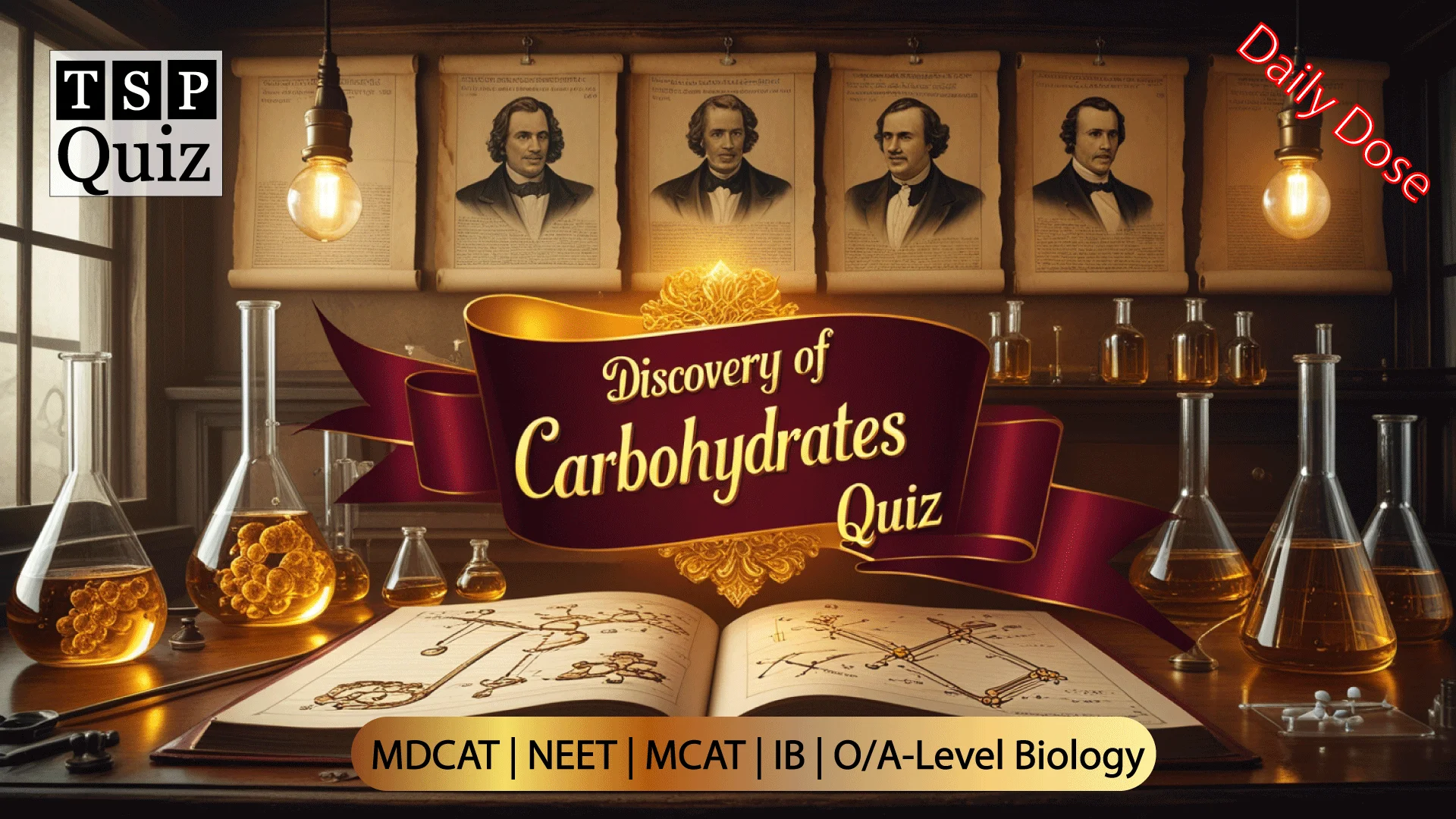
Attempt “Discovery of Carbohydrates Quiz”
Let’s explore one of biochemistry’s sweetest discoveries—carbohydrates! From the sugar in your morning coffee to the complex molecules fueling your cells, this quiz reveals how scientists cracked nature’s energy code. How many of these sugary breakthroughs do you know?
Want to explore more fascinating science quizzes? Visit Genetics Quizzes & Assessments for your next knowledge adventure!
Sweet Science Explained: Carbohydrate Discovery FAQs
Who discovered carbohydrates and when?
Scientists began studying carbohydrates as early as the 18th century, but Carl Wilhelm Scheele earned recognition as the first to identify them. Later, Emil Fischer won the Nobel Prize for his 19th-century breakthroughs in decoding their structure. These discoveries revolutionized science—launching the entire field of biochemistry!
Why are they called “carbohydrates”?
Early chemists designated these compounds as ‘carbohydrates’ based on their empirical formula Cn(H2O)n, which indicated a hydrate-like structure of carbon. This nomenclature originated from analytical observations demonstrating that simple sugars consistently exhibited a 1:2:1 stoichiometric ratio of carbon, hydrogen, and oxygen atoms – a compositional pattern analogous to water molecules bound to carbon centers.
What role did Emil Fischer play in carbohydrate discovery?
Emil Fischer identified the structure of glucose and other sugars. He also introduced the lock-and-key model for enzymes acting on sugars. His work helped scientists understand how carbohydrates function in the body, especially in metabolism.
How were early carbohydrates tested or identified?
Scientists used taste, crystallization, and solubility to recognize sugars. Later, chemical tests like Benedict’s and Fehling’s solutions helped detect reducing sugars such as glucose.
What are the earliest known sources of carbohydrates?
Early chemists (Andreas Marggraf, Carl Scheele) isolated key carbohydrates from plants—Marggraf crystallized sucrose from sugar beets (Beta vulgaris) in 1747, while Scheele first extracted glucose from grapes in 1784.
How did the discovery of carbohydrates influence modern biology?
It revealed that sugars are essential for life. Carbohydrates provide energy, store fuel, and support cell structures. Their discovery paved the way for studying cellular respiration and genetic molecules like RNA.
Why is learning about carbohydrate discovery important today?
Because it connects basic biology with human health. Knowing how carbohydrates were identified helps students understand their role in diabetes, metabolism, nutrition, and medical diagnostics.