RNase Breakthrough: Engineered Protein Targets Tumors
Introduction: From Bull Semen to Cancer Therapy
Cancer remains one of the deadliest diseases worldwide, with millions of lives affected annually. Current treatment options like chemotherapy and radiotherapy, while effective, often lack cell specificity and cause significant side effects. In an innovative turn, researchers have discovered that ribonuclease (RNase) enzymes derived from bull semen can act as highly selective anticancer agents. This discovery has led to the engineering of a human version of the enzyme, tailored to target cancer cells while avoiding immune response and damage to healthy tissue. This approach signifies a new frontier in targeted cancer therapy (Table 1).
How RNase Works: A Smart Molecular Weapon
Targeting Tumors, Not Normal Cells
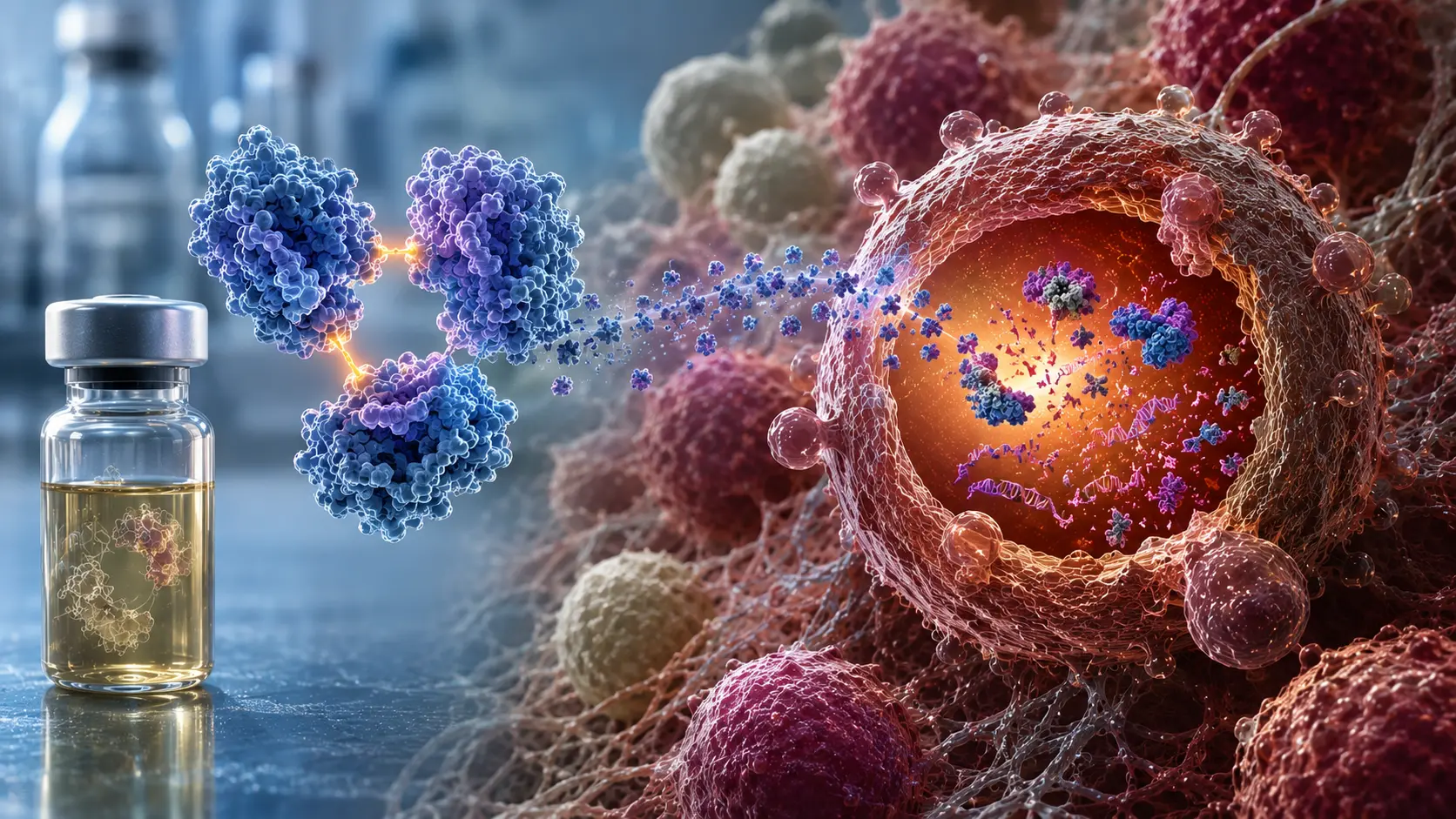
RNases are enzymes that degrade RNA molecules. The dimeric RNase from bull semen can enter tumor cells through non-receptor-mediated endocytosis, a pathway that allows it to bypass traditional surface markers and enter various cancer cell types. Once inside, it specifically degrades ribosomal RNA (rRNA), a critical component of the protein synthesis machinery.
This targeted degradation halts protein production, leading to cellular dysfunction and apoptosis (programmed cell death). This highly efficient mechanism is particularly important because it minimizes collateral damage to normal, healthy cells, which is a common issue in conventional therapies.
Selective degradation of rRNA makes RNase a precision tool for tumor cell elimination.
The Power of the Dimer
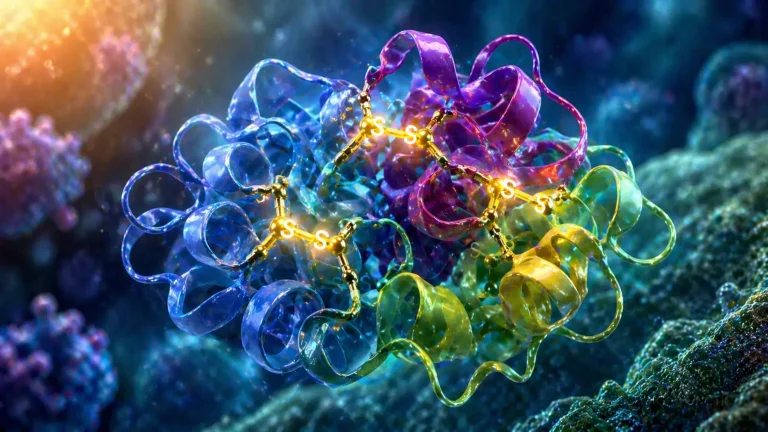
The antitumor action of bull RNase is not simply due to its enzymatic activity—it depends on its dimeric structure. This structure involves:
- Two identical protein subunits
- Two intersubunit disulfide bridges (covalent bonds)
- A small number of noncovalent stabilizing interactions
This structural configuration grants the enzyme increased stability, activity, and cellular penetration, making it the only known dimeric member of the pancreatic-like RNase superfamily with strong antitumor properties.
Without this dimeric form, the enzyme loses its unique ability to selectively attack cancer cells.
The Immunity Barrier: Human Response to Bull RNase
Despite its promising capabilities, bull semen RNase is foreign to the human immune system. Prolonged use can result in the development of neutralizing antibodies, reducing the protein’s effectiveness and potentially triggering immune-related complications.
This immunogenicity limits its clinical application and underscores the need for a human-compatible alternative that retains the antitumor potential without the risk of immune rejection.
This obstacle led scientists to consider humanizing the enzyme using bioengineering techniques.
| Table 1: Biological Basis & Mechanism of Bull Semen RNase | |||
| Scientific Feature | Details | Molecular Characteristics | Experimental Evidence |
| Origin | Bull semen ribonuclease (BS-RNase), part of the RNase A superfamily. | Naturally dimeric; ~70% sequence identical to human pancreatic RNase. | Isolated from bovine semen; structural and sequence analysis performed. |
| Structure | Homodimer with subunits joined by intersubunit disulfide bridges. | Stabilized by disulfide and non-covalent interactions. | Crystallographic and biochemical studies (D’Alessio et al.). |
| Mechanism of Cell Entry | Enters tumor cells via non-receptor-mediated endocytosis. | Independent of surface receptors; possibly via lipid rafts. | Fluorescence-tagging, confocal microscopy, and uptake assays. |
| Mechanism of Action | Degrades ribosomal RNA in the cytosol, halting protein synthesis and inducing apoptosis. | Avoids inhibition by cytoplasmic RNase inhibitor due to dimeric conformation. | rRNA degradation confirmed by gel electrophoresis and apoptosis assays. |
| Tumor Selectivity | Selectively toxic to cancer cells; non-toxic to normal fibroblasts. | Enhanced uptake and retention in transformed cells. | Side-by-side comparison of transformed vs. normal cell lines. |
| Immunogenicity Limitation | Repeated use triggers human antibody production, reducing efficacy. | Immunogenic epitopes present due to species difference. | Animal studies show immune response after repeated dosing. |
Engineering Human RNase: A Smart Solution
By leveraging the 70% sequence similarity between bull and human pancreatic RNases, researchers engineered a human dimeric RNase using recombinant DNA technology.
Key Steps in Engineering:
- Gene cloning and expression in Escherichia coli (E. coli)
- Formation of inclusion bodies containing insoluble protein aggregates
- Protein solubilization and refolding, yielding a properly folded, active dimeric human RNase
The resulting enzyme showed strong cytotoxic activity against multiple tumor cell lines, albeit requiring higher concentrations than the bull-derived enzyme. Importantly, normal diploid human fibroblasts remained unaffected, highlighting the enzyme’s selectivity and safety.This engineered enzyme bridges immunological safety and therapeutic efficacy, paving the way for future cancer drugs(Table 2).
| Table 2: Engineering of Human RNase and Therapeutic Potential | |||
| Scientific Feature | Details | Molecular Characteristics | Therapeutic Implications |
| Engineering Strategy | Human RNase A engineered to dimerize like BS-RNase. | Disulfide bridges and interface mutations enable dimerization. | Designed via sequence alignment and expressed in E. coli. |
| Recombinant Expression | Expressed in E. coli, forming inclusion bodies. | Requires solubilization and refolding for activity. | SDS-PAGE and activity assays confirm proper folding. |
| Comparative Activity | Slightly less potent than BS-RNase; up to 2× dose needed for same cytotoxicity. | Maintains selectivity and cytotoxicity at higher concentration. | Dose-response studies in multiple tumor cell lines. |
| Cytotoxicity Confirmation | Non-toxic to human fibroblasts; specific for malignant cells. | Avoids RNase inhibitor binding due to dimeric structure. | Flow cytometry and Annexin V assays show apoptosis only in cancer cells. |
| Targeted Cancers (in vitro) | Effective against HeLa (cervical), MCF-7 (breast), PC3 (prostate), etc. | Broad efficacy across solid tumor lines. | MTT and Trypan blue assays. |
| Human Homology Advantage | >70% sequence identity reduces immune response. | Less likely to be recognized as foreign by human immune system. | Encourages safety for clinical development. |
| Clinical Development Potential | High — selective, non-genotoxic, human-compatible enzyme therapy. | Modular structure allows further optimization. | Strong preclinical results justify advancement to trials. |
| Key Reference | Lorenzo et al., PNAS, 1999. DOI: 10.1073/pnas.96.14.7768 | Peer-reviewed scientific study supporting claims. | Provides authoritative foundation for the blog and academic referencing. |
Potential and Future Directions
The human RNase dimer, although slightly less potent than its bovine counterpart, offers several critical advantages:
- Reduced immunogenicity
- Compatibility with human biological systems
- Tumor-selective cytotoxicity
- Non-interference with healthy cells
Future Research Goals:
- Optimizing the folding and stability of the dimeric structure
- Improving delivery methods (e.g., liposomes, nanoparticles)
- Preclinical and clinical testing on diverse cancer types
- Evaluating long-term effects and potential combination therapies
This research supports a broader trend in protein engineering to develop targeted, non-toxic therapies with minimized side effects. If successful, this approach could supplement or even replace traditional chemotherapy for certain cancers.
Reference:
Piccoli, R., Di Gaetano, S., De Lorenzo, C., Grauso, M., Monaco, C., Spalletti-Cernia, D., Laccetti, P., Cinátl, J., Matousek, J., & D’Alessio, G. (1999). A dimeric mutant of human pancreatic ribonuclease with selective cytotoxicity toward malignant cells. Proceedings of the National Academy of Sciences of the United States of America, 96(14), 7768–7773. https://doi.org/10.1073/pnas.96.14.7768